The following article has been written to provide readers with a background about the Te Ture Whenua Maori Bill, which is anticipated to be enacted as legislation in April 2017.
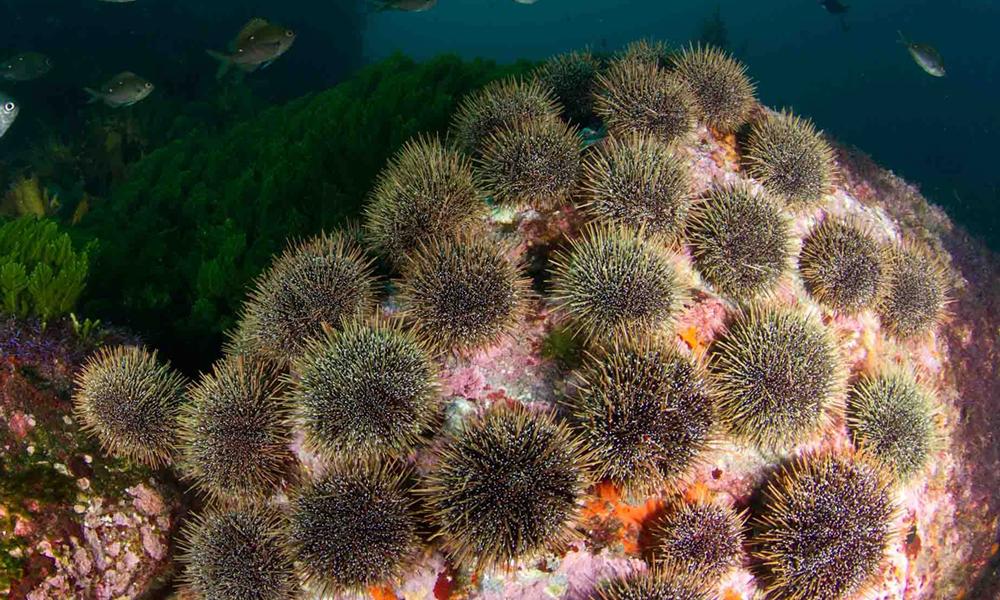
Ani Pahuru-Huriwai, secretary of the Wharekahika Maori Committee, says rahui allow the kapata kai (food cupboards) to recover and prepare for the summer months when everyone comes home.
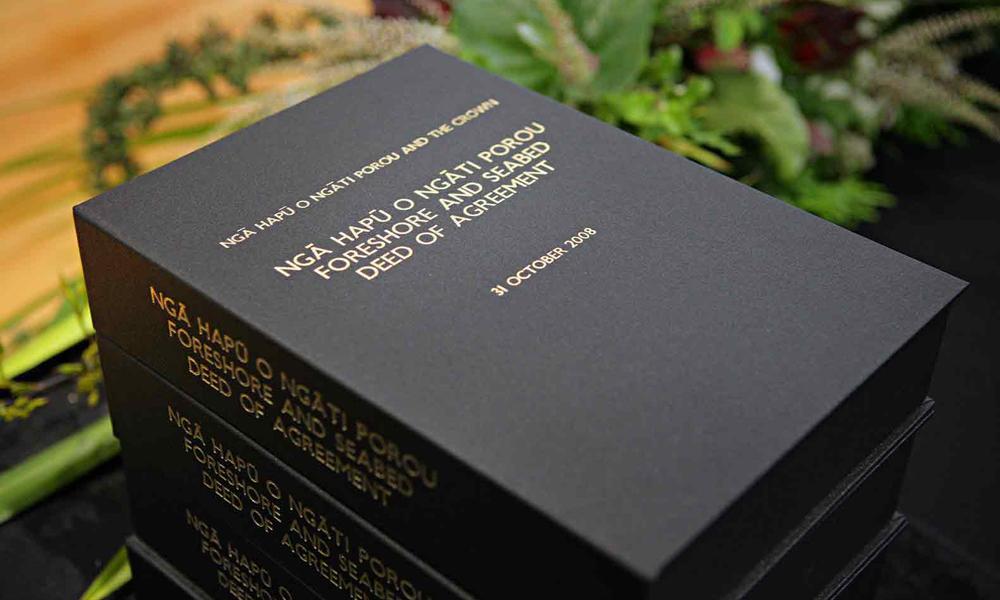
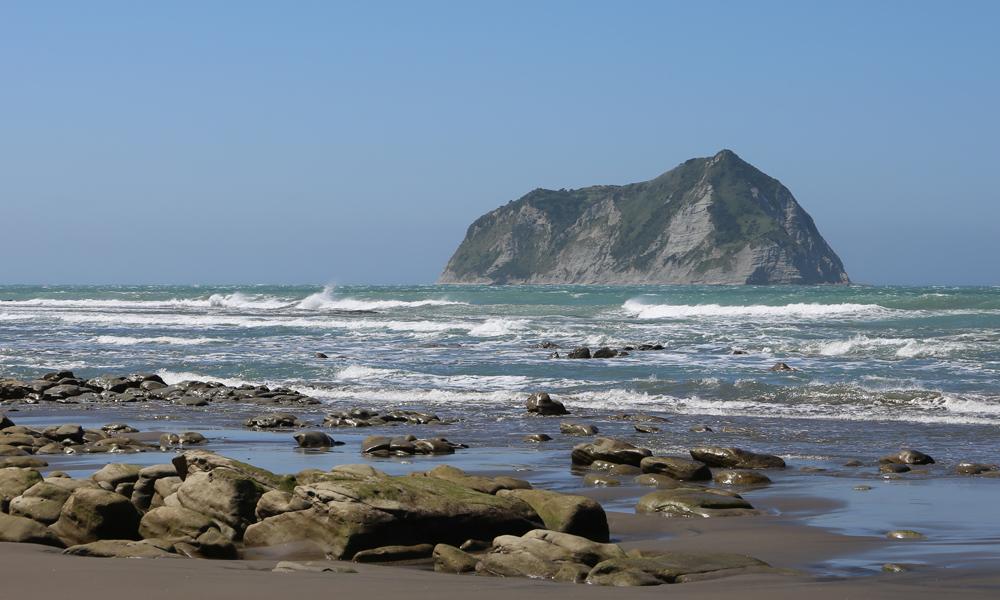
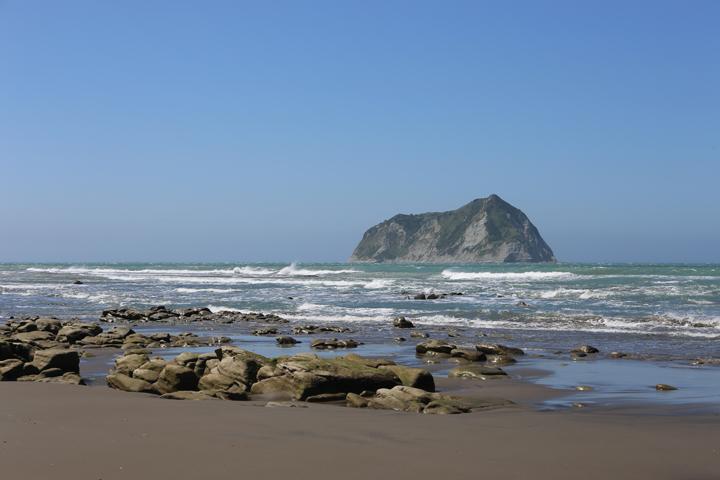
Ngati Porou Foreshore and Seabed Implementation Committee chairman Rei Kohere says the amended deed gives hapu more power to approve or withhold approval for activities that have a damaging impact on their coastal resources and ecosystems.
Ngati Porou have been at the forefront of every national Maori language revitalisation movement in New Zealand. Now we must lead a revitalisation of our own language – te reo o te Naati.
Through all our history regarding the foreshore and seabed, we as hapu of Ngati Porou established our mana. Our mana is inherited from birth. It was not the Treaty that gave it to us, our mana was here long before the Treaty
The cultural development activities of Toitu Ngati Porou are predominantly funded by a proportion of the annual dividend that Ngati Porou Holding Company distributes to TRONPnui.
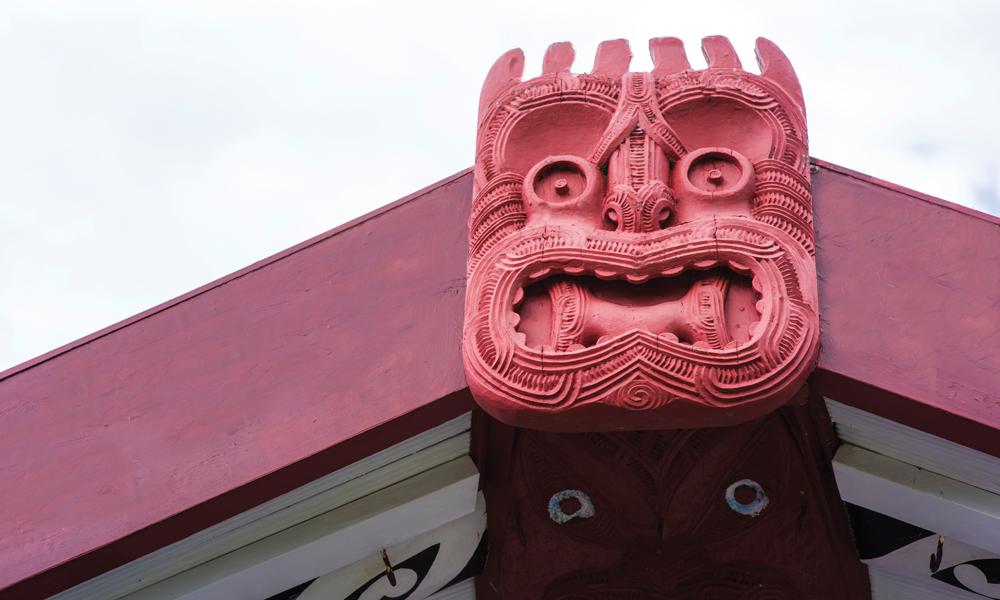
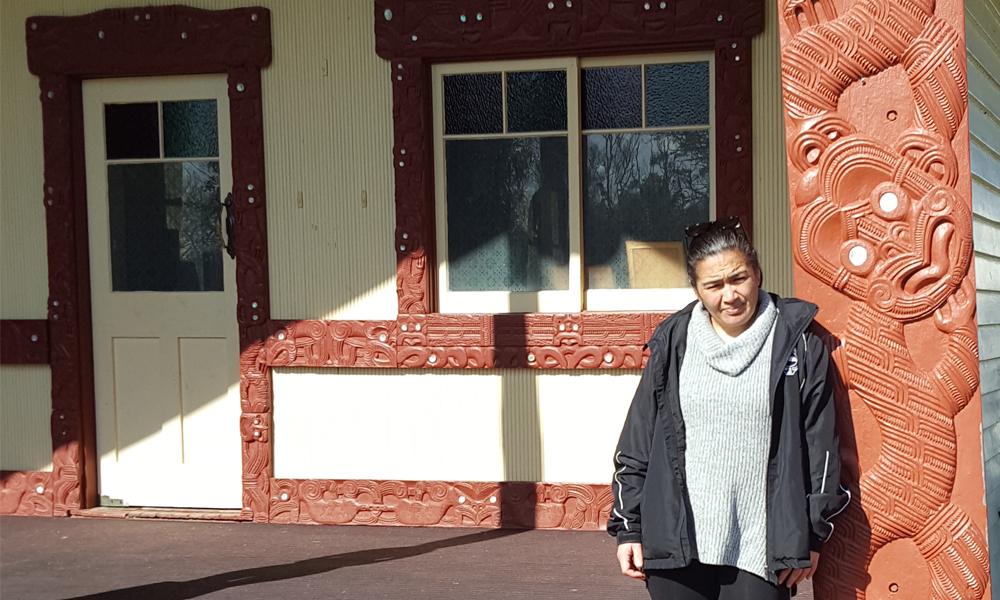
When we talk about our Ngati Porou culture, language and tikanga, for me the marae represents the place where that all comes together – they are like our last bastion where this is practiced.
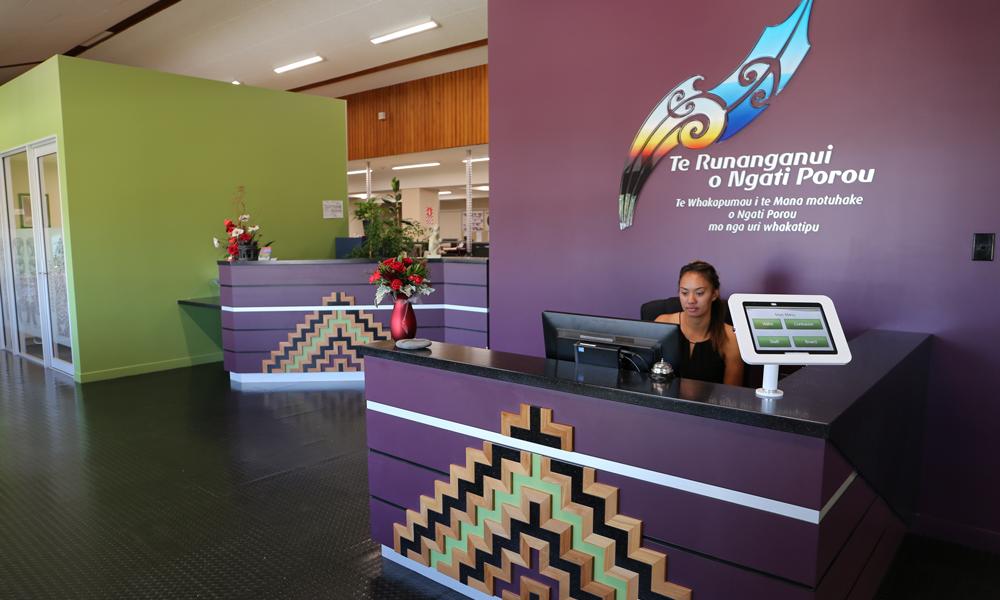
The purpose of the review is to provide the opportunity for Ngati Porou Iwi members and the organisation to consider what has worked well and what hasn’t, over the organisation’s first five years of operation.
There needs to be education about what voting is and why it’s important. Whanau need to support rangatahi through the voting process and they need someone to vote for
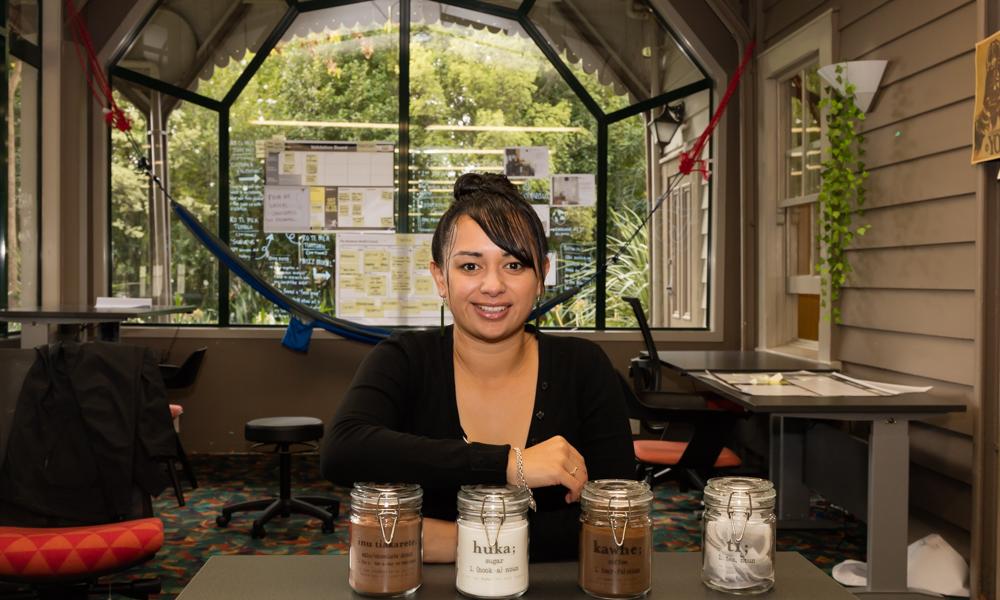
"I do not wish to become a millionare from this – that is not my drive. For me it’s about doing something that I love which overall is contributing to the survival of our language."